TLDR
Pool resurfacing takes 5-10 days and involves draining, removing old plaster, repairing the shell, applying new finish, and refilling. Expect no pool access for 1-2 weeks total including refill time and initial chemical balancing. Costs range from $5,000-$15,000 depending on finish type and pool size.
The Resurfacing Process Step-by-Step
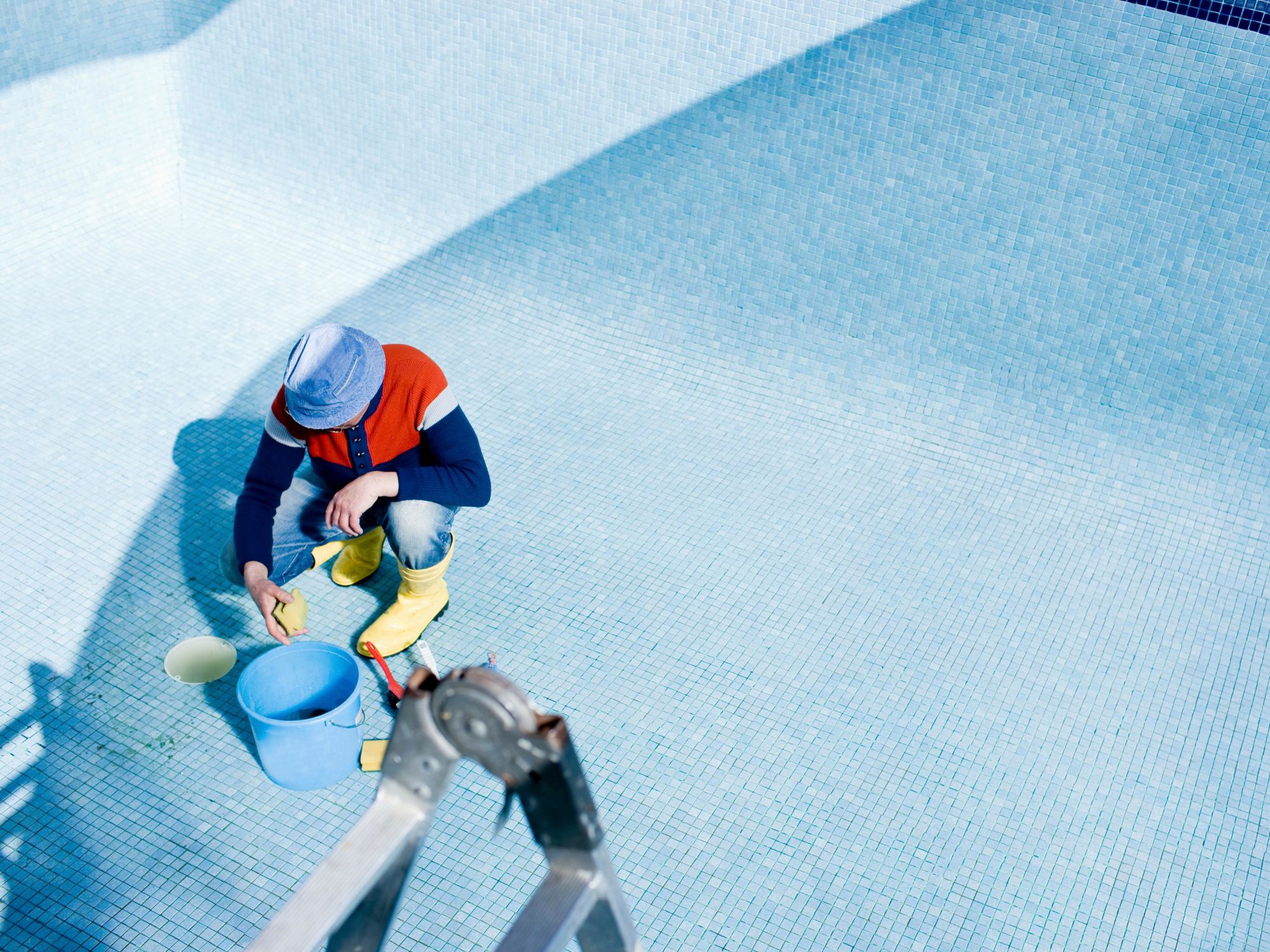
Resurfacing begins with draining your pool completely—a process taking 6-12 hours depending on pool size and drain capacity. Professional companies use pumps to speed the process and ensure proper drainage away from your property. Once empty, the crew pressure washes and chips away the old plaster using specialized tools. This removal exposes the underlying gunite or concrete shell for inspection.
Shell inspection and repair happens next. Contractors examine the exposed structure for cracks, hollow spots, or damage requiring repair before applying new finish. Minor cracks get filled and ground smooth. Significant damage may require additional concrete work. This inspection is critical—it's your only opportunity to address structural issues before sealing everything under new plaster. Any necessary repairs add time and cost but prevent bigger problems later.
Surface preparation ensures proper adhesion. The crew acid washes the exposed shell, removes all debris, and creates the proper profile for the new finish to bond. They apply a bonding agent, then mix and apply the new plaster, pebble, or aggregate finish. This application happens quickly—the entire pool surface must be completed in one session to prevent seams or inconsistencies. Crews typically work in teams, starting early morning to finish before temperatures rise.
After Application: Curing and Care
Curing begins immediately after application. For plaster finishes, crews brush the surface multiple times over the first 24-48 hours to bring cream to the surface and create proper texture. They keep the surface wet continuously during this period. After initial curing, the pool gets filled—a 12-24 hour process depending on water pressure and pool size.
Chemical startup follows filling. New plaster requires special initial treatment to prevent etching and staining. You'll need to brush the surface daily for the first week to remove plaster dust. Water chemistry needs frequent testing and adjustment—pH levels shift as the new plaster cures. Most contractors recommend waiting at least a week before swimming, though some finishes allow earlier use.
The first 28 days are critical for long-term finish quality. During this period, maintain balanced water chemistry religiously, brush regularly, and avoid adding salt (if you have a salt system) until after the curing period. Following proper startup procedures ensures your new finish reaches its full potential durability and appearance.