TLDR
Rock and difficult soil increase excavation costs $2,000-$15,000+ depending on severity. Bedrock may require blasting ($5,000-$15,000), while large boulders need specialized equipment ($1,000-$5,000 extra). Clay soil, while challenging, usually doesn't add major costs but may require special drainage. Get soil testing before bidding to avoid surprises.
Types of Difficult Conditions
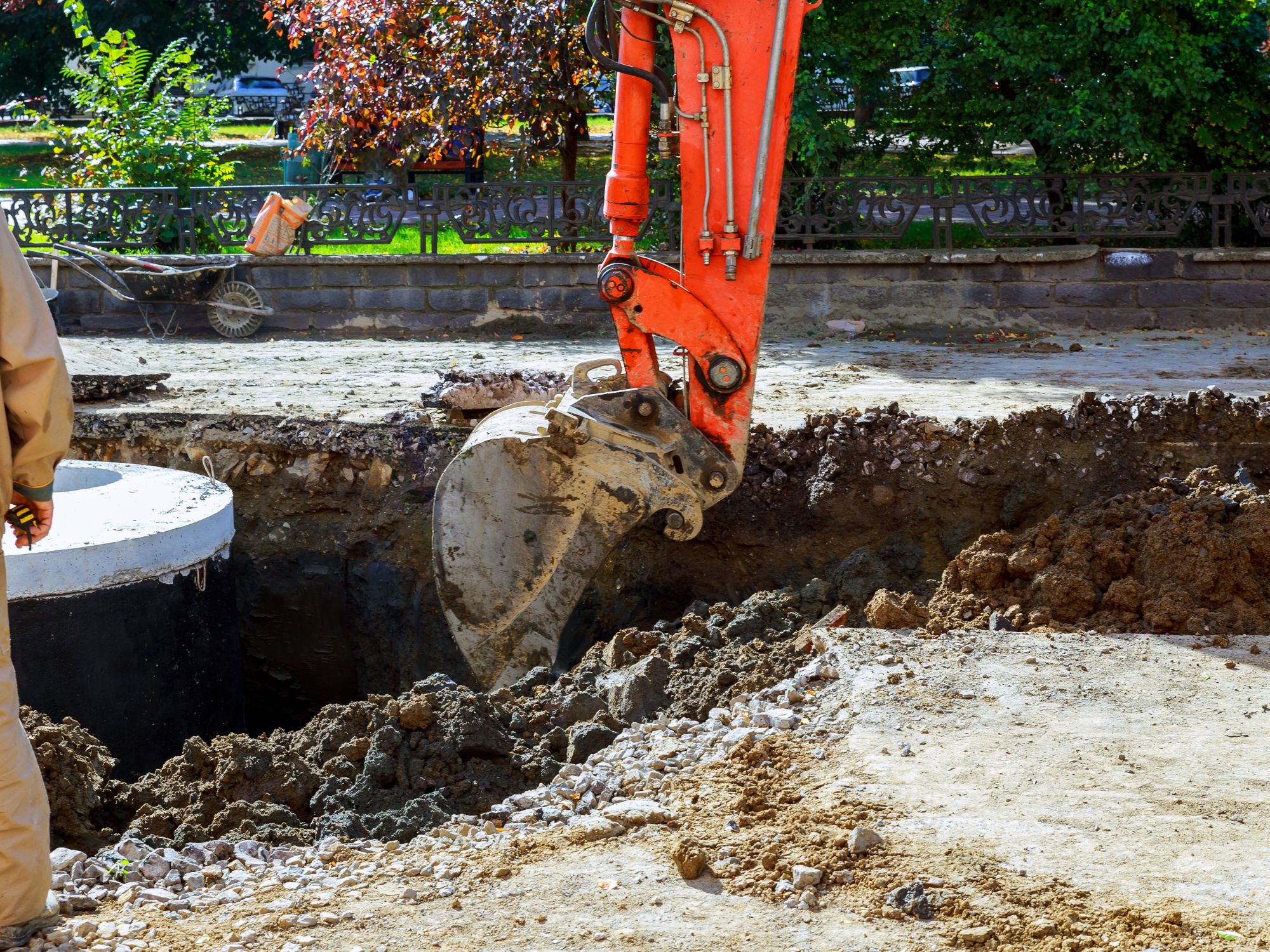
Bedrock presents the most challenging and expensive condition. Solid rock formations that can't be excavated with standard equipment require rock hammers, rock saws, or controlled blasting. Blasting requires licensed specialists, vibration monitoring for nearby structures, and sometimes evacuation of adjacent properties. Costs range from $5,000-$15,000+ depending on rock depth and extent. Not all areas allow blasting near homes, potentially making some properties unsuitable for pools.
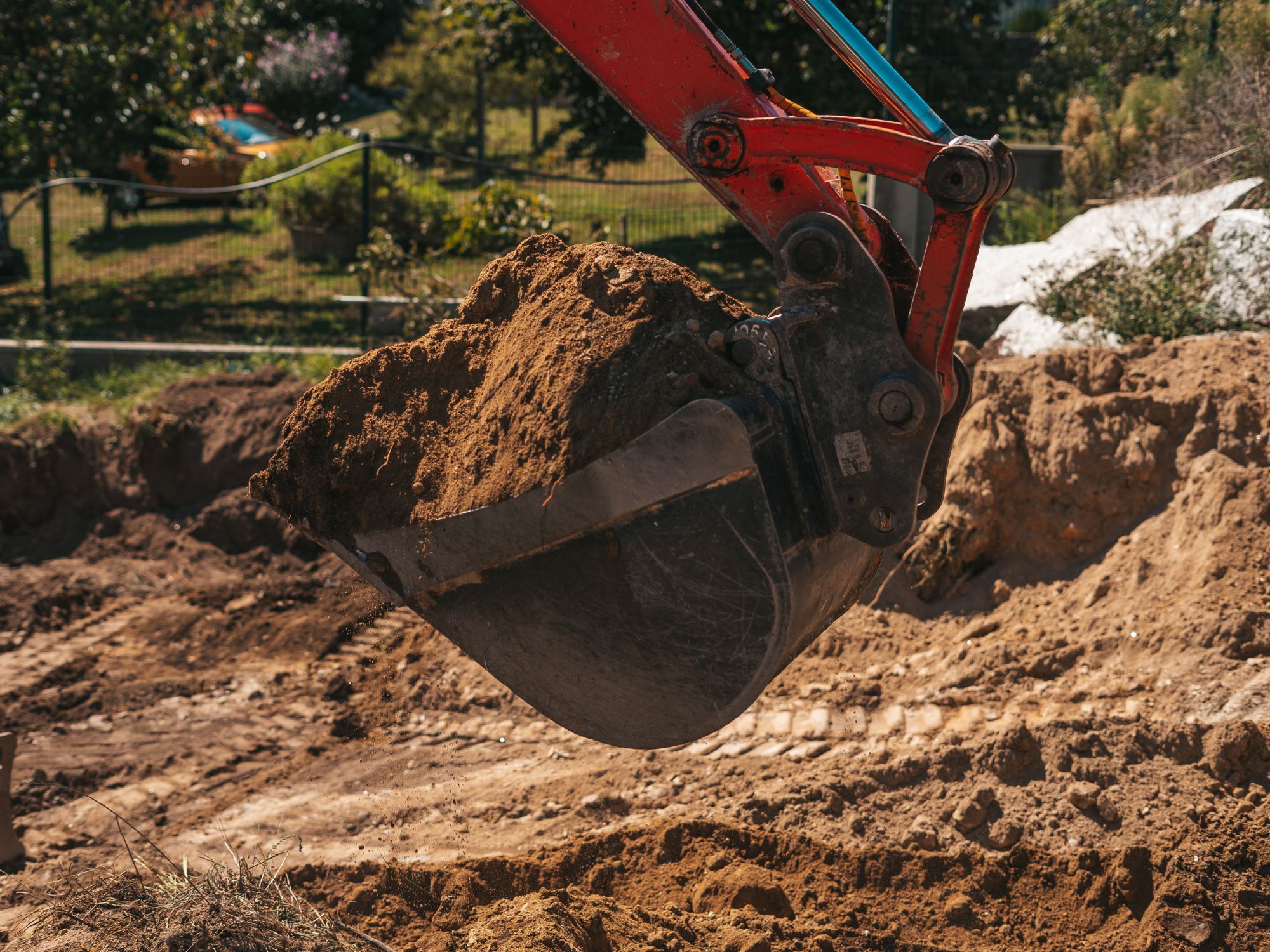
Large boulders and rock formations fall between bedrock and normal soil. Equipment can often remove or break them without blasting, but progress slows significantly. Specialized hydraulic hammers mounted on excavators break large rocks into movable pieces. This adds 1-3 days to excavation and $1,000-$5,000 in additional costs depending on quantity and size.
Clay soil creates drainage challenges rather than excavation difficulty. While excavators can dig clay, it retains water and doesn't drain naturally. Pools in clay require comprehensive drainage systems—perforated pipes around the pool perimeter collecting water and directing it away from the structure. Without proper drainage, hydrostatic pressure from groundwater can crack pool shells or cause them to "float" up from the ground. Additional drainage adds $1,000-$3,000 but is essential in clay.
Regional Considerations and Testing
Some regions have predictable soil conditions. Areas with limestone bedrock (parts of Texas, Florida, Tennessee) frequently encounter rock during excavation. Granite regions (New England, parts of the Southeast) face similar issues. Experienced local contractors anticipate these conditions and price accordingly, but severity varies even within neighborhoods.
Soil testing before committing to a pool prevents expensive surprises. Geotechnical engineers bore test holes, analyzing soil composition and identifying rock depth. Testing costs $500-$1,500 but provides valuable information for accurate bids. If you're investing $50,000-$100,000 in a pool, $1,000 for testing is inexpensive insurance against $10,000+ excavation surprises.
Managing Unexpected Conditions
Most pool contracts include rock clauses addressing unexpected difficult excavation. Typical clauses allow contractors to charge additional fees for rock beyond reasonable expectations. Standard contracts might include 2-4 hours of rock excavation in base pricing, with hourly rates ($150-$300) applied beyond that. Review these clauses carefully before signing contracts.
If excavation reveals extensive rock, you may need to modify the pool design. Reducing depth, changing shape, or relocating slightly might avoid the worst rock formations. While disappointing to change plans mid-project, it's often better than paying thousands extra for rock removal. Experienced contractors can suggest modifications that preserve most of your vision while avoiding excessive rock costs.
High water tables discovered during excavation require dewatering—pumping groundwater during construction to keep the cavity dry. Temporary pumping isn't terribly expensive, but it may indicate the need for permanent drainage systems. Pools in areas with high water tables need hydrostatic relief valves in the floor allowing groundwater pressure to relieve without cracking the shell.