TLDR
Pool removal costs $4,000-$16,000 depending on size and method. Partial removal (filling in) costs $4,000-$8,000 and takes 2-4 days but limits future building. Full removal costs $8,000-$16,000, takes 5-10 days, but fully restores the property for any use.
Partial vs Full Removal
Partial pool removal (also called "fill-in") is the less expensive option. Contractors punch drainage holes in the pool bottom, break up the top 2-3 feet of pool walls, and push debris into the bottom. They fill the cavity with dirt, compact in layers, and grade the surface level with your yard. This method saves money and time but has significant limitations—you cannot build structures over the old pool location, and mortgage lenders often won't approve loans for properties with filled-in pools.
Full removal completely extracts the pool structure. Heavy equipment breaks up and removes all concrete, steel, plumbing, and equipment. Contractors haul away debris, fill the excavation with clean fill dirt, and compact it properly for stability. This method costs roughly double but fully restores your property. You can build anything over the location, and it doesn't affect property value or future sales. Most homeowners choosing full removal are preparing to build additions, sell their homes, or want maximum future flexibility.
The Removal Process
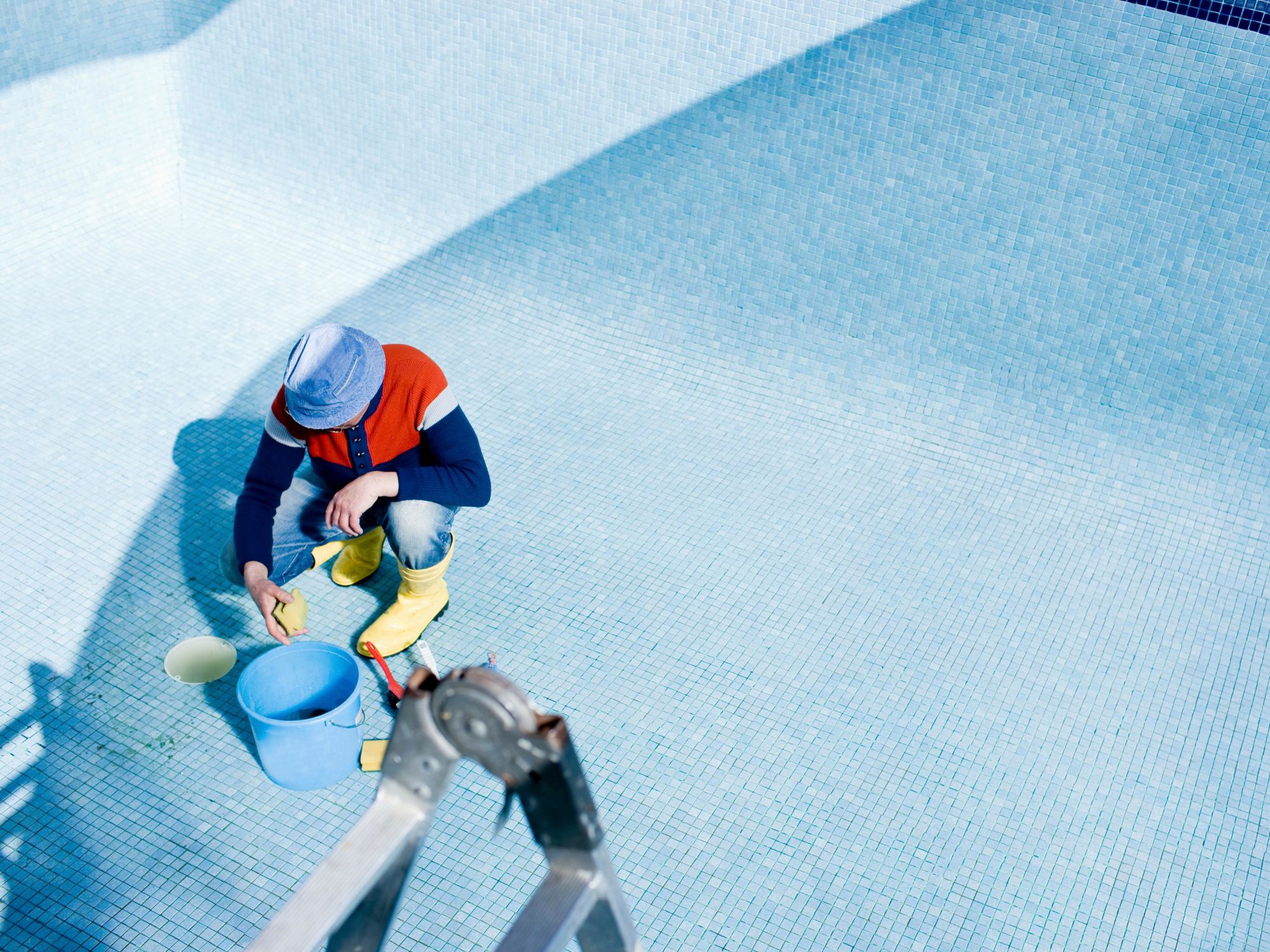
Removal begins with draining the pool and disconnecting utilities—electrical lines to equipment, gas lines to heaters, and any automation systems. Contractors often salvage valuable equipment like pumps, heaters, and automation panels that still have life. You might sell this equipment or relocate it if installing a new pool elsewhere.
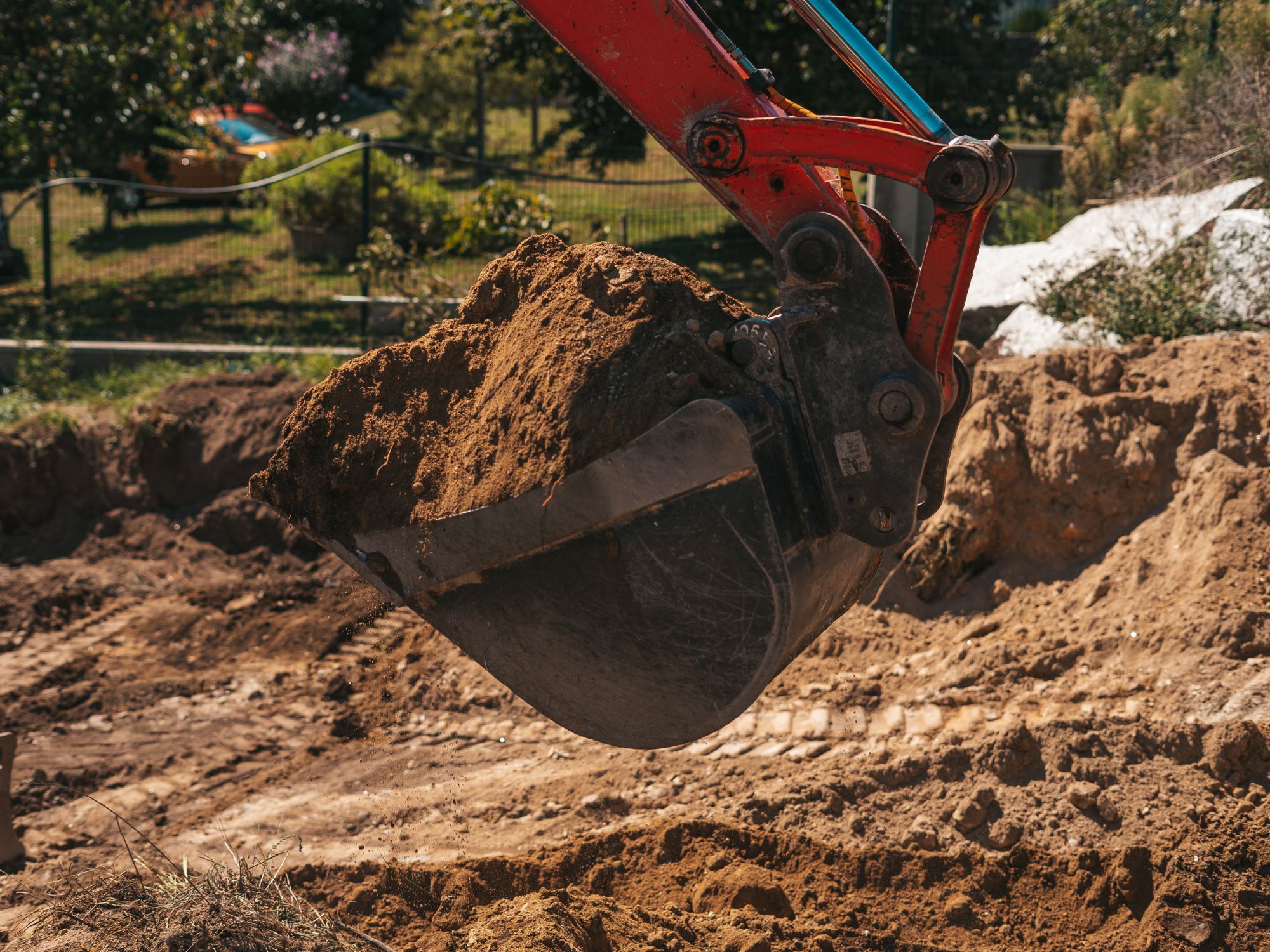
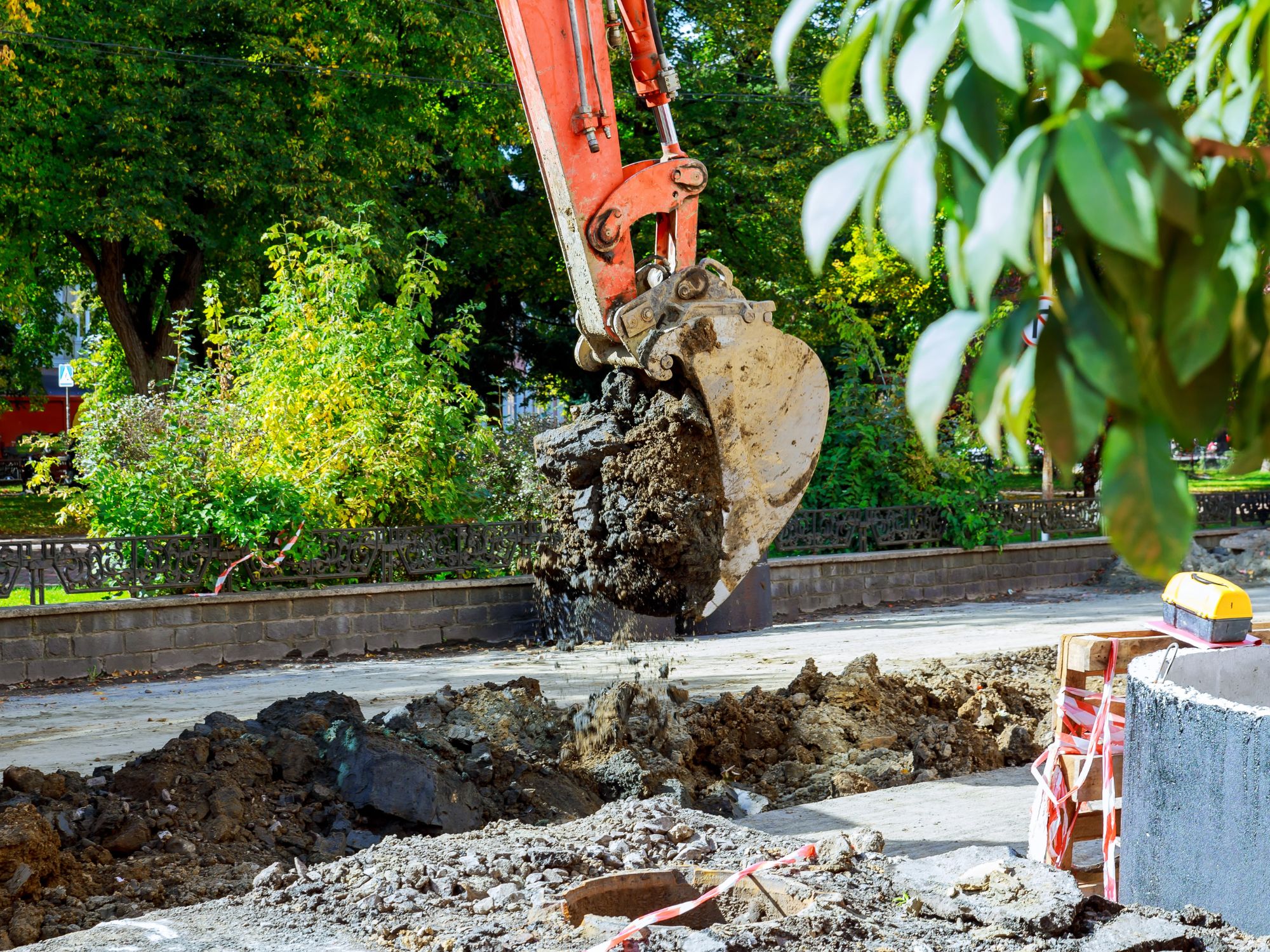
Demolition comes next using excavators and jackhammers. For partial removal, equipment breaks apart the top portion and pushes it into the bottom. For full removal, everything gets broken into manageable pieces and loaded into dump trucks. An average residential pool generates 20-40 tons of concrete debris requiring multiple truck loads for disposal. This phase is loud and disruptive—expect heavy equipment, dust, and noise during daylight hours for several days.
Filling and grading complete the project. Contractors add fill dirt in layers, compacting each layer to prevent future settling. Proper compaction is critical—poorly compacted fill causes sinkholes and uneven settling over time. The final grade should match surrounding yard elevation with proper slope for drainage. Some contractors include topsoil for the top 6-12 inches, allowing immediate grass seeding or sod installation.
After Removal Considerations
The filled area will settle slightly over the first year despite compaction. Expect some minor adjustment to landscaping or need to add soil to low spots. This is normal and more pronounced with partial removal than full removal.
Notify your insurance company and tax assessor after pool removal. Your homeowner's insurance premium should decrease without the liability risk of a pool. Property taxes may also decrease slightly, though pool removal typically doesn't dramatically impact home value. Some buyers see pool removal negatively (lost amenity), while others view it positively (lower maintenance, more yard space, reduced liability).
Before removal, check local regulations. Most areas require permits for pool removal, and some mandate specific fill materials or compaction standards. HOA approval may be necessary. Verify no underground utilities conflict with the removal process.