TLDR
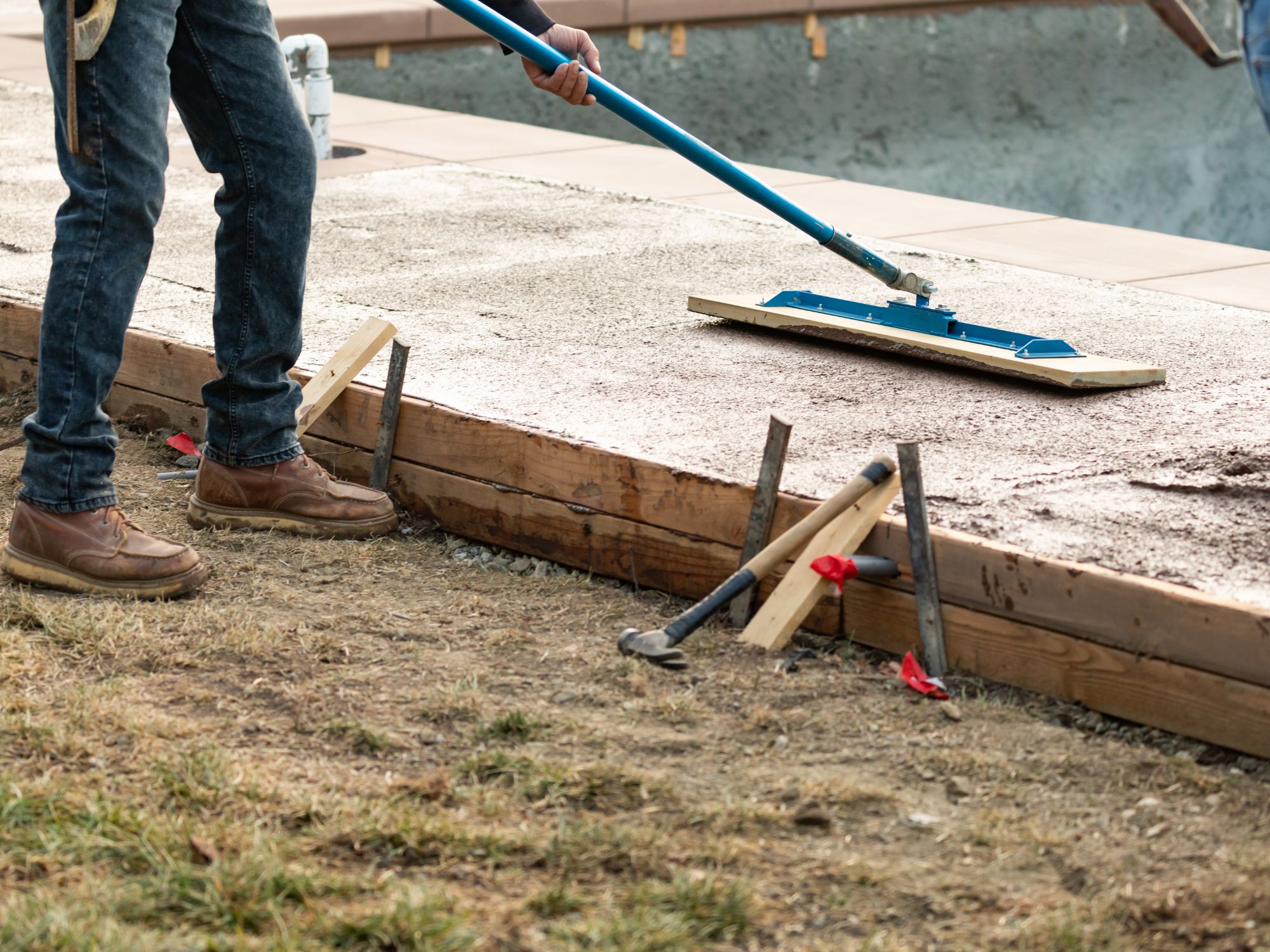
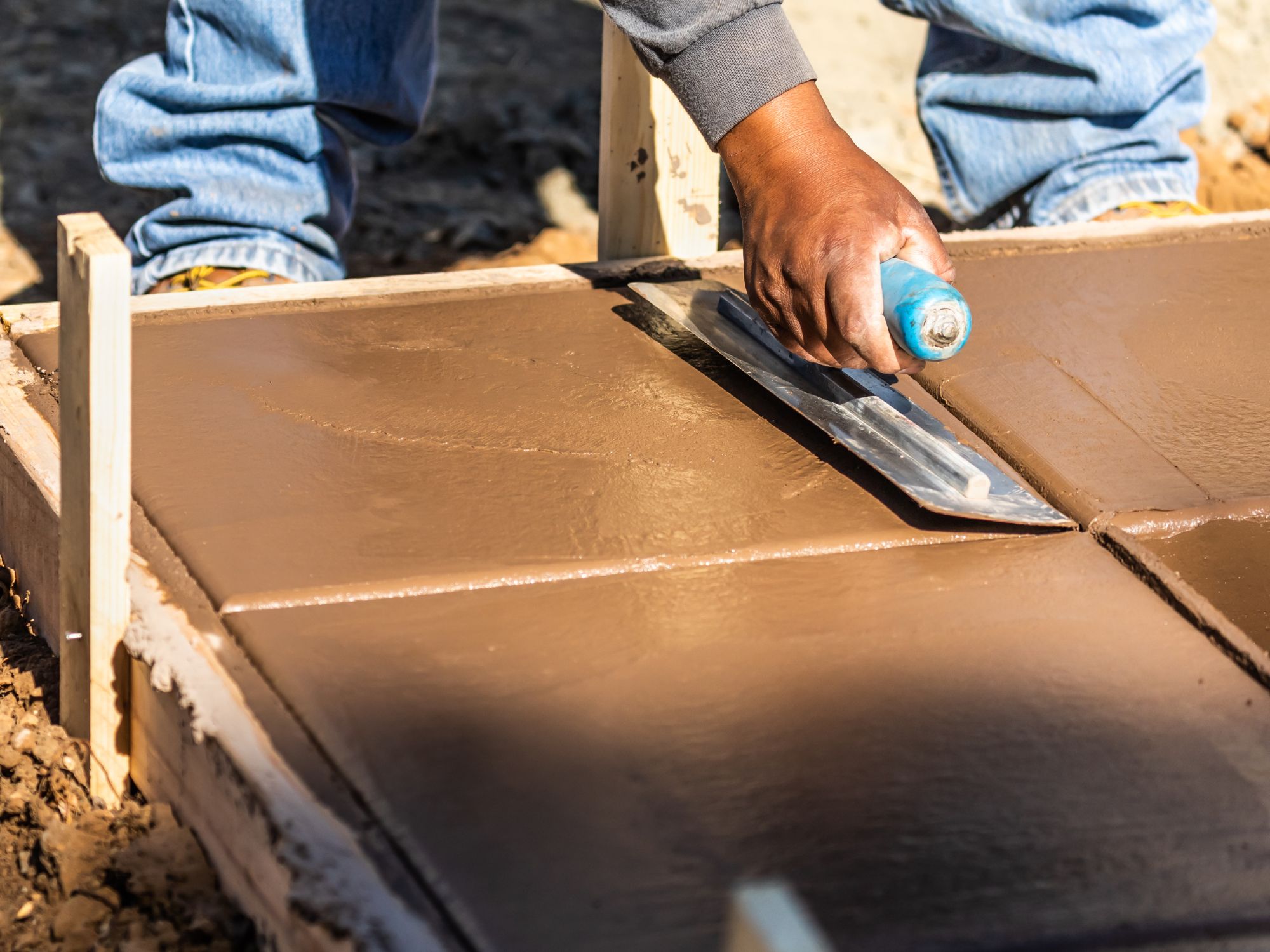
Resurface your pool deck when you notice extensive cracking, spalling (flaking concrete), trip hazards from uneven surfaces, or significant staining. These issues affect safety, aesthetics, and can damage the pool structure if ignored. Most concrete decks need resurfacing every 10-20 years.
Structural Warning Signs
Cracks are inevitable in concrete but need attention when they become extensive. Hairline cracks under 1/8 inch wide are cosmetic and can be sealed. Wider cracks—especially those you can insert a credit card into—indicate structural issues requiring repair before resurfacing. Cracks expanding outward from the pool perimeter suggest settling or movement that needs professional assessment.
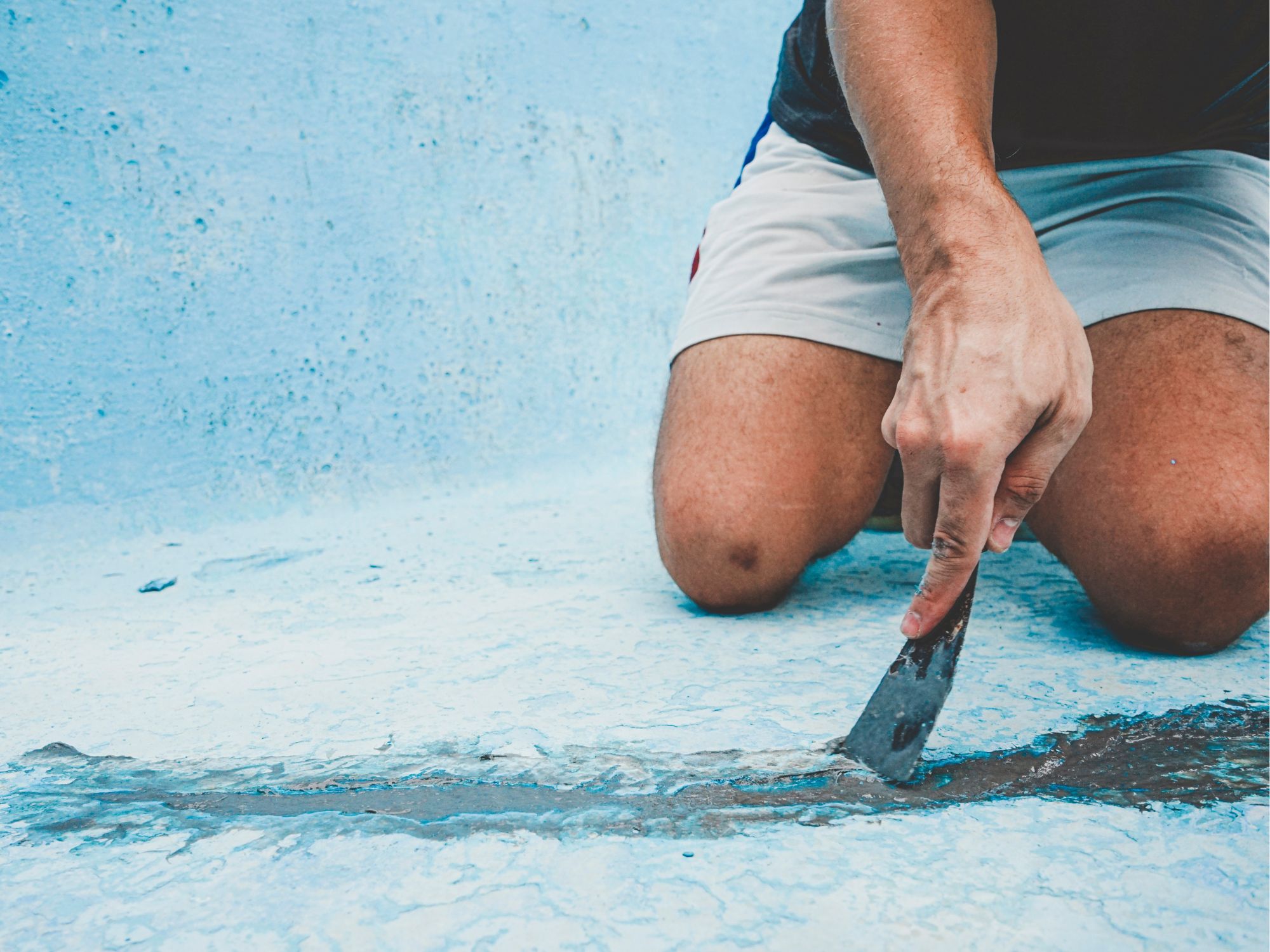
Spalling appears as flaking, chipping, or pitting of the concrete surface. It starts small but accelerates quickly, with chunks of surface breaking away and exposing aggregate underneath. Spalling results from water infiltration and freeze-thaw cycles in cold climates or from poor initial installation. Once started, spalling doesn't stop on its own—resurfacing is the only solution. Severe spalling creates rough, unsafe surfaces that damage feet and pool equipment.
Uneven settling creates trip hazards and drainage problems. Sections of deck sinking or rising create steps between areas that once were level. Water pooling in low spots instead of draining away from the pool signals settling problems. Not only do these issues create liability risks from tripping injuries, but standing water accelerates concrete deterioration and can undermine pool structure stability.
Safety and Aesthetic Concerns
Smooth, slippery surfaces become dangerous when wet. If your deck has become glassy smooth from years of wear, resurfacing with textured material improves safety dramatically. The risk of slip-and-fall injuries increases with smooth surfaces, especially around diving areas and entry/exit points where water constantly wets the deck.
Surface degradation and etching from chemicals, salt water, and UV exposure makes concrete rough and uncomfortable for bare feet. The surface becomes increasingly porous, absorbing more water and accelerating damage. Rough surfaces tear swimwear and scrape skin during normal use. This deterioration signals the protective surface layer has worn away.
Persistent staining that won't clean indicates the concrete has become too porous. Rust stains from pool furniture, organic stains from leaves and plants, and general discoloration penetrate deep into degraded concrete. Professional cleaning might temporarily improve appearance, but stains quickly return in compromised concrete. Resurfacing is the only permanent solution.
Timing and Prevention
Don't wait for severe damage. Catching problems early—addressing cracks when they first appear wider than 1/8 inch or at the first signs of spalling—prevents more extensive and expensive repairs later. Minor repairs and sealing extend deck life, but once deterioration accelerates, resurfacing becomes necessary.
Age alone merits consideration. Even decks without obvious damage deteriorate over 15-20 years. Proactive resurfacing before problems develop costs less than emergency repairs after structural issues appear. If your deck approaches 15 years old and shows any warning signs, plan for resurfacing soon.
Consider resurfacing when renovating other pool elements. If you're resurfacing the pool interior, upgrading equipment, or adding features, simultaneously resurfacing the deck makes financial sense. You'll save on mobilization costs and create a cohesively updated pool area rather than mismatched old deck with new pool.