TLDR
Resurface your pool when you notice rough or eroded plaster, visible stains that won't clean, cracks spreading across surfaces, or frequent water chemistry issues. Standard plaster lasts 10-15 years, pebble finishes 15-20 years, and proper resurfacing costs $5,000-$15,000 depending on finish type.
Visual Warning Signs
Rough texture is your first warning sign. Run your hand across the pool surface—if it feels like sandpaper or catches on swimwear, the plaster has eroded and needs replacement. This roughness develops gradually as chemicals and use wear down the smooth finish, exposing the aggregate underneath. Swimming in a pool with severely eroded plaster causes skin irritation and damages bathing suits.
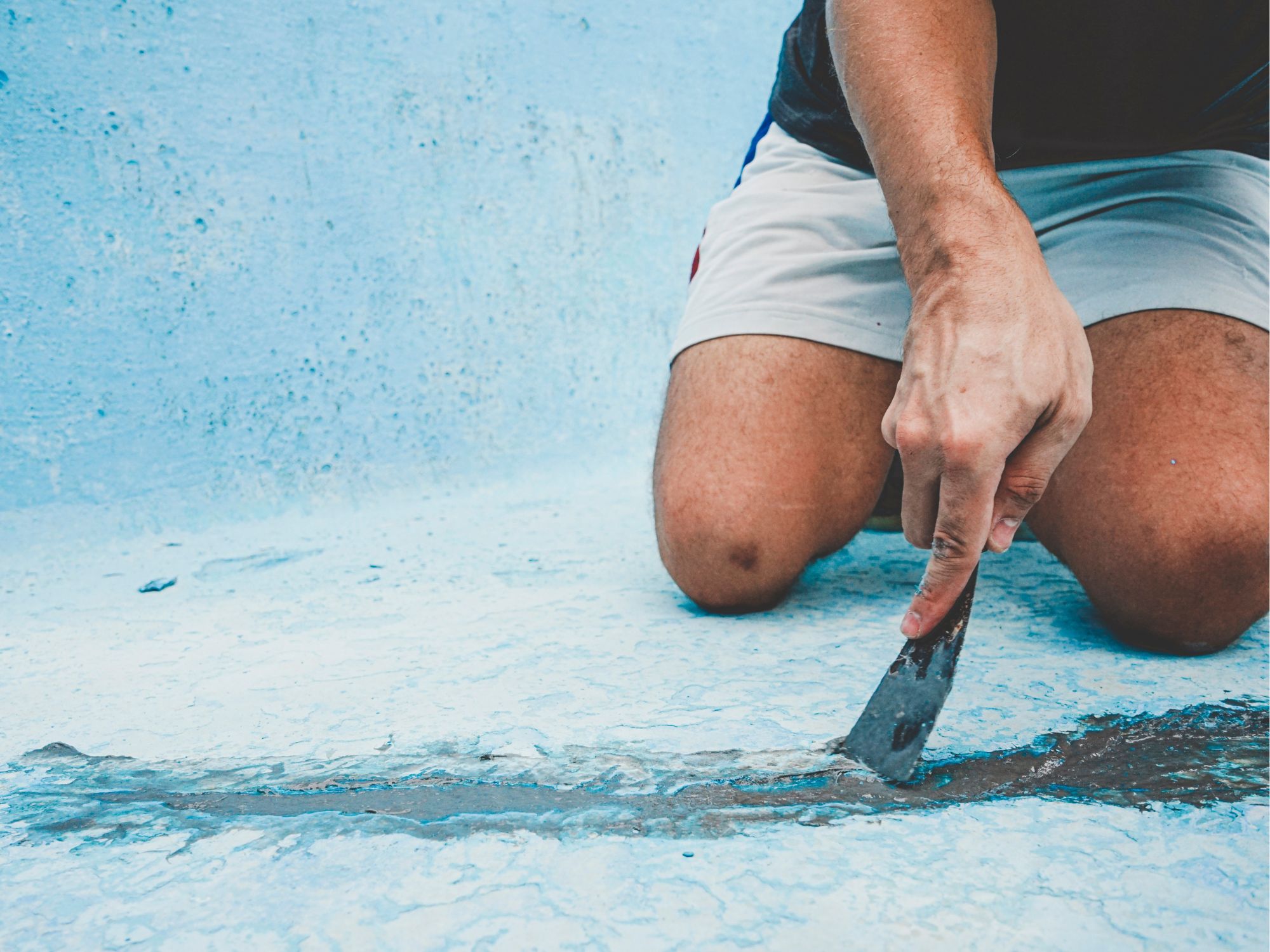
Staining that won't respond to cleaning indicates the finish is breaking down. Surface-level stains from leaves, minerals, or algae should clean with proper treatment. When stains penetrate deep into the plaster or keep returning immediately after cleaning, the porous surface has degraded beyond simple maintenance. Colors ranging from brown and black to blue and green suggest different problems, but permanent staining means resurfacing is approaching.
Visible cracks spreading across pool surfaces signal structural issues with the plaster layer. Small spider cracks (crazing) are cosmetic initially but allow water infiltration that worsens problems. Structural cracks—larger gaps you can insert a credit card into—need immediate attention as they may indicate shell problems beyond just the surface. Any crack leaking water or growing larger requires professional assessment.
Performance Issues and Timing
Constant water chemistry problems often trace back to failing plaster. As surfaces deteriorate, they affect pH balance, requiring frequent chemical adjustments. If you find yourself adding chemicals far more often than before or struggling to maintain proper balance despite correct procedures, your surface may be breaking down and leaching materials into the water.
Plaster type determines resurfacing timeline. Standard white plaster typically lasts 10-15 years with proper maintenance and balanced chemistry. Colored plaster has similar lifespans but may fade over time. Pebble and aggregate finishes last longer—15-20 years—but cost significantly more upfront. Regardless of visible condition, if your plaster approaches these age milestones, start planning for resurfacing. Waiting until failure causes more damage and more expensive repairs.