TLDR
A proper pool cleaning routine includes daily skimming, weekly brushing and vacuuming, bi-weekly filter maintenance, and monthly equipment checks. Following a consistent checklist prevents algae growth, equipment failures, and costly repairs.
Your Weekly Cleaning Checklist
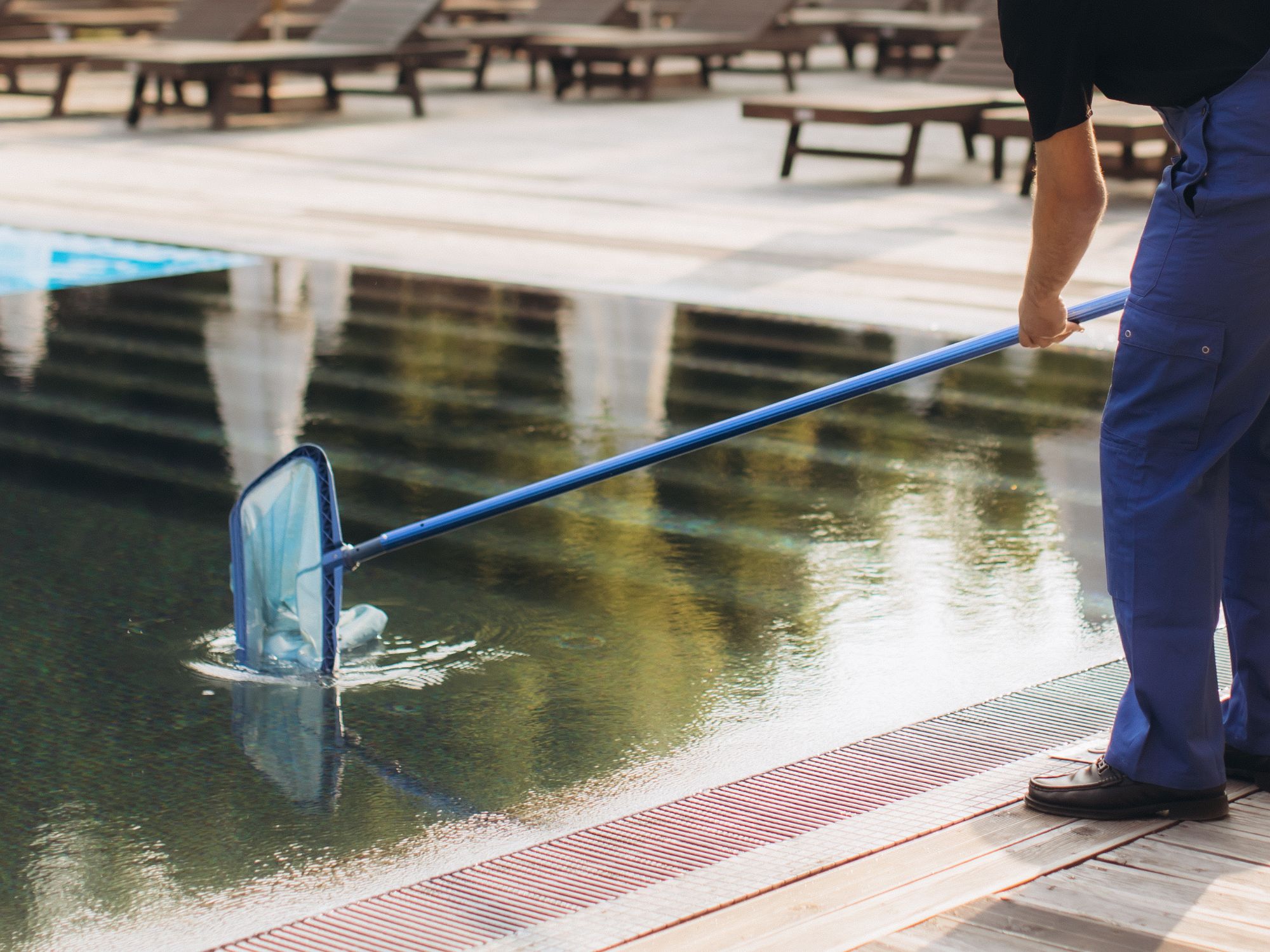
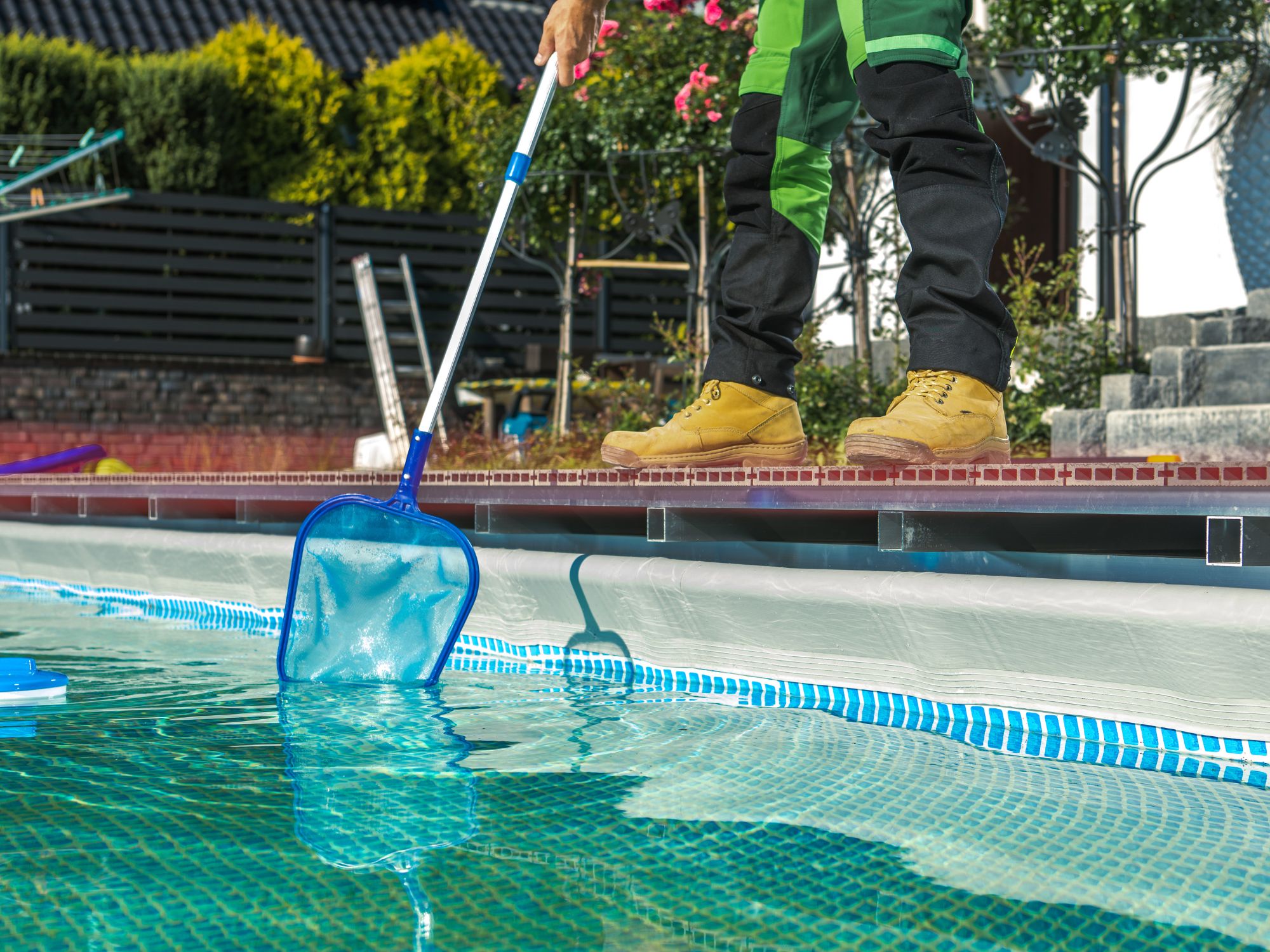
Start every pool cleaning session by skimming the surface and emptying all baskets—both the skimmer and pump baskets. This ensures proper water circulation before you begin other tasks. Next, brush all pool surfaces systematically: walls from top to bottom, steps, ledges, corners, and behind ladders. Use a stiff nylon brush for vinyl or fiberglass pools, and a wire brush for concrete or gunite surfaces.
Vacuum the entire pool floor, moving slowly to ensure thorough cleaning. If you have an automatic cleaner, inspect it for proper operation and empty its debris bag or canister. Test your water chemistry using test strips or a liquid test kit, checking pH (should be 7.2-7.6), chlorine (1-3 ppm), alkalinity (80-120 ppm), and calcium hardness (200-400 ppm). Add chemicals as needed to balance the water, allowing time between additions for proper distribution.
Monthly and Seasonal Tasks
Beyond weekly maintenance, schedule monthly deep-cleaning tasks. Inspect your pool equipment including the pump, filter, and heater for unusual noises, leaks, or wear. Clean or backwash your filter based on pressure gauge readings—when pressure rises 8-10 PSI above the clean reading, it's time for filter maintenance. For cartridge filters, remove and hose them down thoroughly.
Check the waterline for scaling and staining, using tile cleaner to remove buildup before it becomes stubborn. Inspect all pool surfaces for cracks, tears, or damage that needs professional repair. Test for metals and phosphates quarterly, as these can cause staining and algae growth despite balanced chemistry. Before opening and closing your pool seasonally, perform comprehensive equipment checks and adjust your chemical treatments accordingly.