TLDR
While gunite pools are known for their durability and customization, they come with higher upfront costs ($50,000-$100,000+), longer construction times (8-12 weeks), more maintenance requirements, and need resurfacing every 10-15 years.
Higher Cost and Longer Wait Times
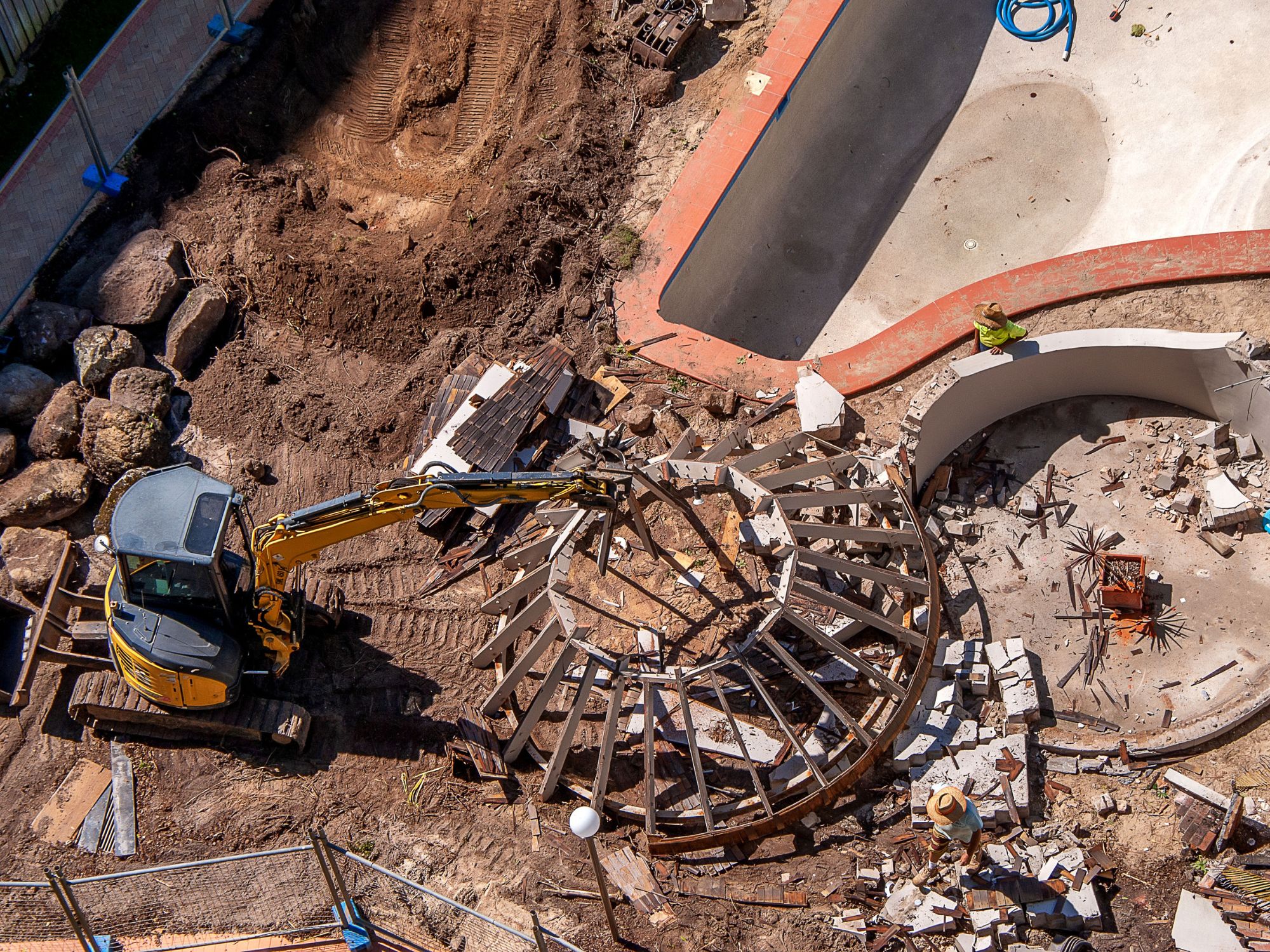
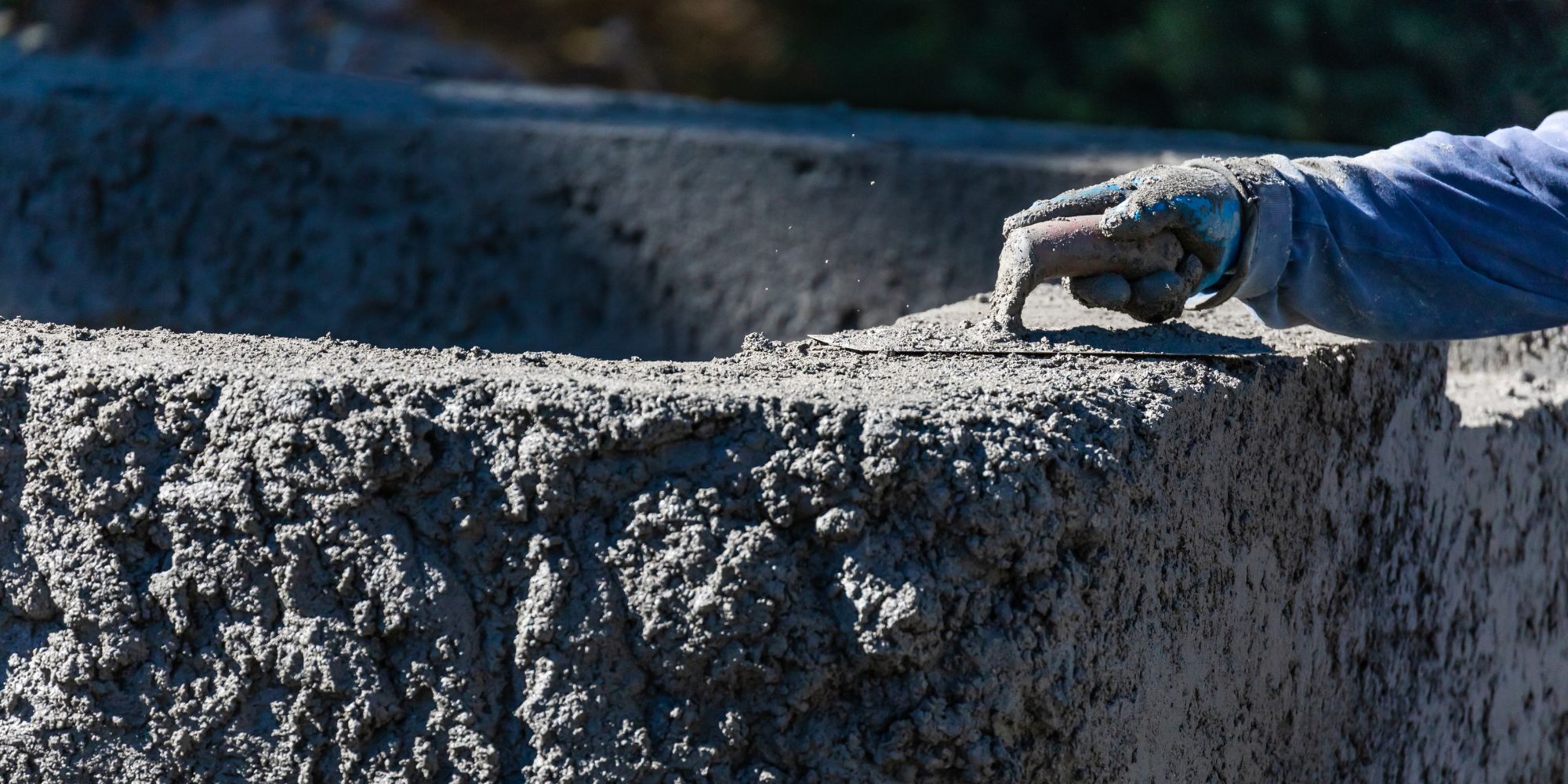
The most immediate disadvantage of gunite pools is the financial and time investment. You're looking at spending significantly more than fiberglass or vinyl alternatives—often $50,000 to $100,000 or more depending on your design. The construction process also takes 8-12 weeks minimum, involving excavation, steel installation, gunite spraying, curing, and plastering. Weather delays can extend this further, meaning you'll be waiting months before your first swim.
Ongoing Maintenance is a Commitment
Gunite pools require more hands-on maintenance than other pool types. The porous plaster surface provides an ideal environment for algae growth, demanding regular brushing and higher chemical usage to maintain proper balance. The alkaline nature of gunite affects water chemistry, requiring frequent pH adjustments and testing. Most significantly, the plaster interior needs complete resurfacing every 10-15 years—a major expense that fiberglass pool owners never face.
Surface Texture Considerations
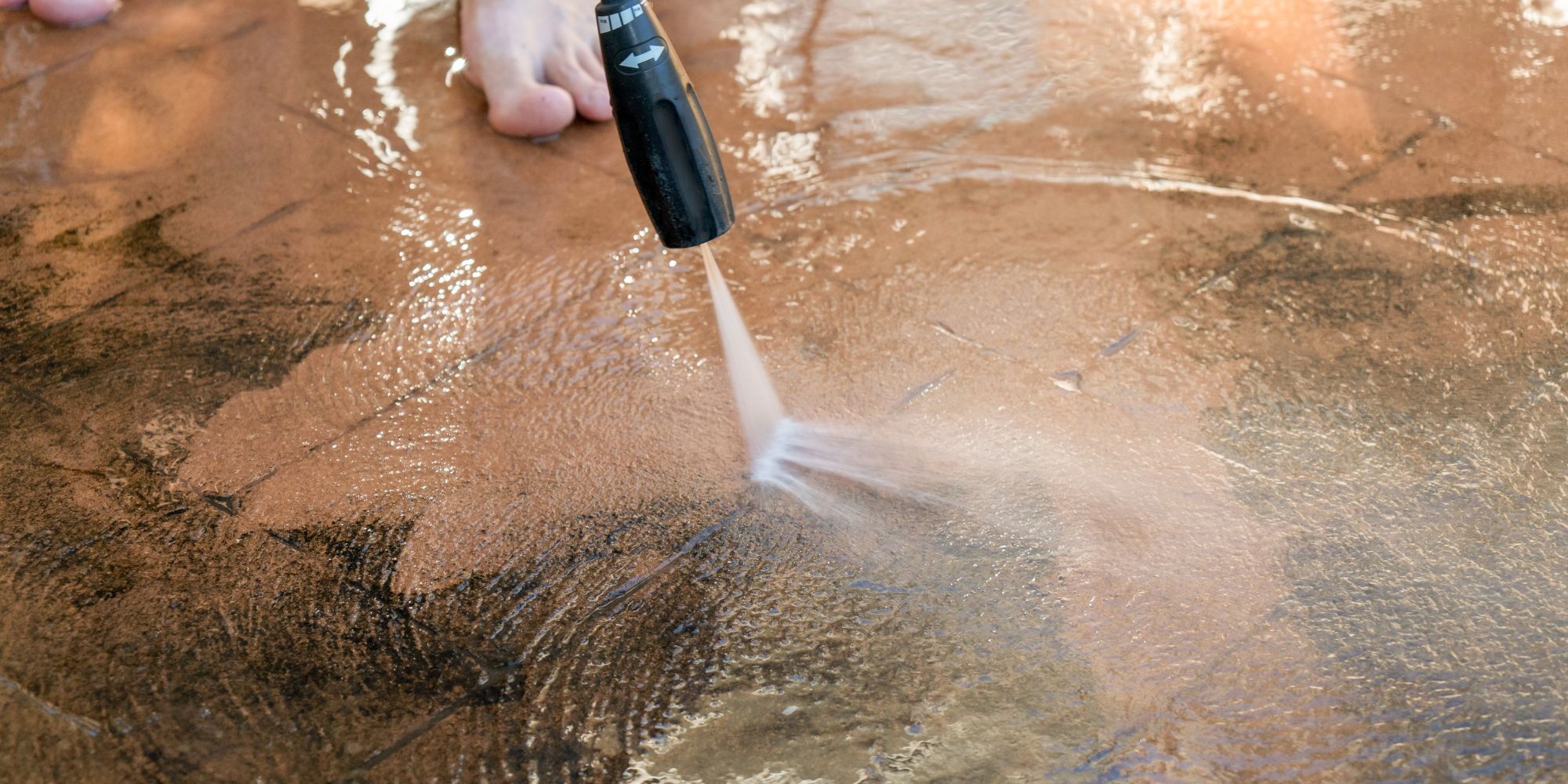
The textured gunite surface, while excellent for traction, can be rough on bare feet and swimwear. Children and swimmers with sensitive skin may find the surface uncomfortable during extended pool time. This is particularly noticeable compared to the smooth finish of fiberglass pools.